Viral Is Not A Business Model: What Happens After A Regional Song Explodes On Reels?
Industry experts decode the gap between viral fame and sustainable careers

Industry experts decode the gap between viral fame and sustainable careers

A regional independent song going viral on Instagram Reels can put an artist in front of millions of listeners almost overnight. But does that visibility translate into sustained streams, live performance opportunities, brand partnerships and a loyal fan base? As regional music continues to find a wider audience across digital platforms in 2026, industry voices point out that virality may open the door, but building a sustainable music career requires much more than a trending track.
The growing appetite for regional music is reflected in the numbers. According to Arpit Mankar, Head – Non-Bollywood Category at Shemaroo Entertainment Ltd., Spotify’s September 2026 report recorded a more than 120% increase in royalties for Telugu music and nearly 50% growth for Marathi music, based on 2025 data. He also points to the IPRS-EY report, which found that independent music accounted for 43% of music consumed digitally in India in 2025, up from 35% in 2023.
However, Mankar cautions against equating digital popularity with commercial success. “Going viral is not the same as being successful and making profits. A viral song can certainly help an artist, but it does not guarantee that the subsequent releases will also be as successful or will generate enough income,” he says.
According to him, sustaining an independent music career requires consistency, a clear understanding of the target audience, community-building and a well-planned marketing strategy. The support of digital platforms also plays an important role in helping artists convert discovery into long-term engagement.
“At the end of the day, it is all about giving reasons to listen to an artist's music frequently,” Mankar adds.
For Mandar Thakur, CEO, Times Music, the distinction between a viral hit and a lasting career comes down to the time and effort required to build an artist's identity. “Superstars are not made overnight – it takes a few years, sometimes well over a decade or two,” he says.
Drawing a comparison with the food business, Thakur describes a viral hit as a quick-service meal that works in the moment, while a lasting music career is like a dining experience that keeps bringing people back. He emphasises that this distinction applies equally to regional and mainstream music.
While repeat listeners are essential, the ability to turn visibility into opportunities beyond music consumption is another important part of the equation.

Vishnu Iyer, A&R Leader, Believe Artist Services, believes artists need to look beyond the immediate attention generated by a viral track and use it to build a stronger relationship with their audience.
“Virality is a moment, but the real value lies in how effectively an artist capitalises on that moment. A viral song can open doors, create visibility and generate immediate commercial value, but translating that momentum into a sustainable career requires a much broader approach,” he says.
Iyer points out that an artist's visibility, personality and relatability can influence whether audiences connect with them beyond a particular song. That connection, he says, can eventually create opportunities across live performances, brand partnerships, merchandise and other revenue streams.
He identifies artist identity as the biggest differentiator between a one-hit viral act and someone who builds a lasting career. “An artist who is built around a viral song is often defined by the moment, whereas an artist who builds a lasting career is defined by who they are, what they represent and the world they create around their music,” he says.
According to Iyer, music, storytelling, visual identity, positioning and audience engagement need to work together to establish a recognisable artist brand. “A hit song may introduce an artist to an audience, but it is their identity that gives the audience a reason to stay,” he adds.

For independent artists, this also raises the question of how to evolve without losing their creative identity. Hindustani classical vocalist Maahi Zaveri, who has 364K Spotify streams, believes that while a viral song can introduce listeners to an artist, sustained interest depends on the music and the person behind it.
“I think there’s a lot more to building a music career than having one song go viral. A viral song might get people to discover you, but what makes them stay is their love for you as an artist and your music,” she says.
Zaveri believes experimentation is important, but artists should be careful not to reshape their sound around every emerging trend. She wants listeners to connect with her musical identity and remain curious about what she creates next.
Her track ‘Piya Bina’, she says, represents a step towards building a musical world rooted in the traditions and sounds she personally connects with. “At the end of the day, going viral might get people to listen, but having your own music identity is what gives them a reason to stay,” she adds.

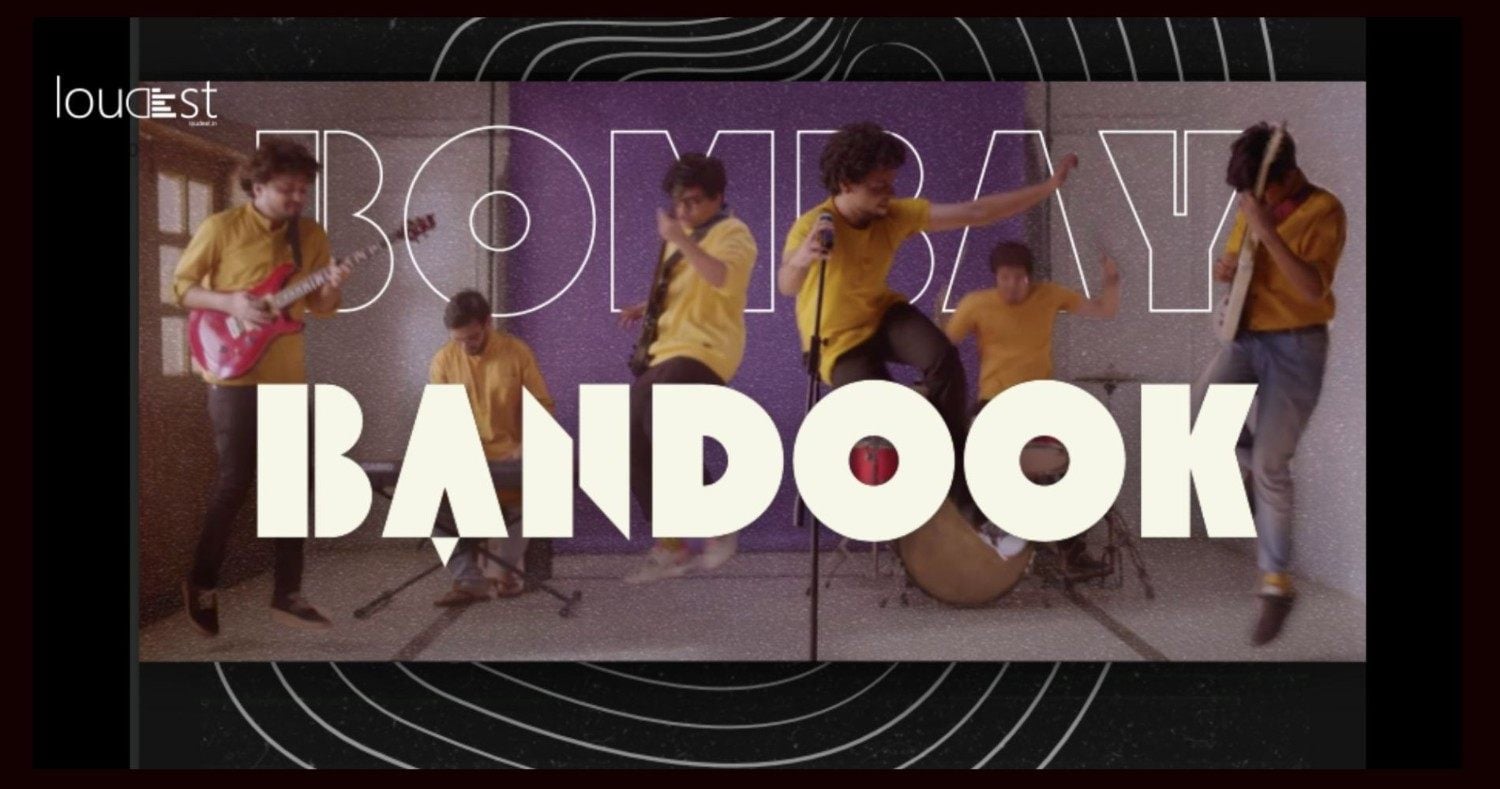
For Hindustani fusion rock band Bombay Bandook, the conversation around virality also comes back to an artist's intent. The band believes that the desire to create and express thoughts, emotions and perspectives should remain central to the creative process, rather than being driven solely by the pursuit of fame or commercial success.
The band also acknowledges the role of luck and timing in determining whether a song catches on. While virality can sometimes be engineered, the right combination of factors needs to come together at the right time.
However, what an artist does after that moment is equally important. Bombay Bandook believes artists must decide whether to meet the expectations of their newly acquired audience or surprise them with something different. Ultimately, the band's approach returns to the intent behind the music.
As regional independent music finds greater visibility in India's digital ecosystem, the opportunity for artists is expanding. But a spike in Reels usage or a sudden surge in streams cannot, on its own, establish a sustainable business.
The larger challenge is converting discovery into repeat listening, audience loyalty and opportunities across the music ecosystem. A viral track may give an artist a moment in the spotlight, but consistency, identity and a clear creative direction determine whether that moment becomes the beginning of a lasting career.